The scene you watch is twenty minutes. The day was not.
Anatomy of one real shoot, start to finish — the hotwife scene with Nova Sparx and J the Maker. What happened before the camera turned on, what the edit removed, and why the boring parts are the ones that make the scene work.
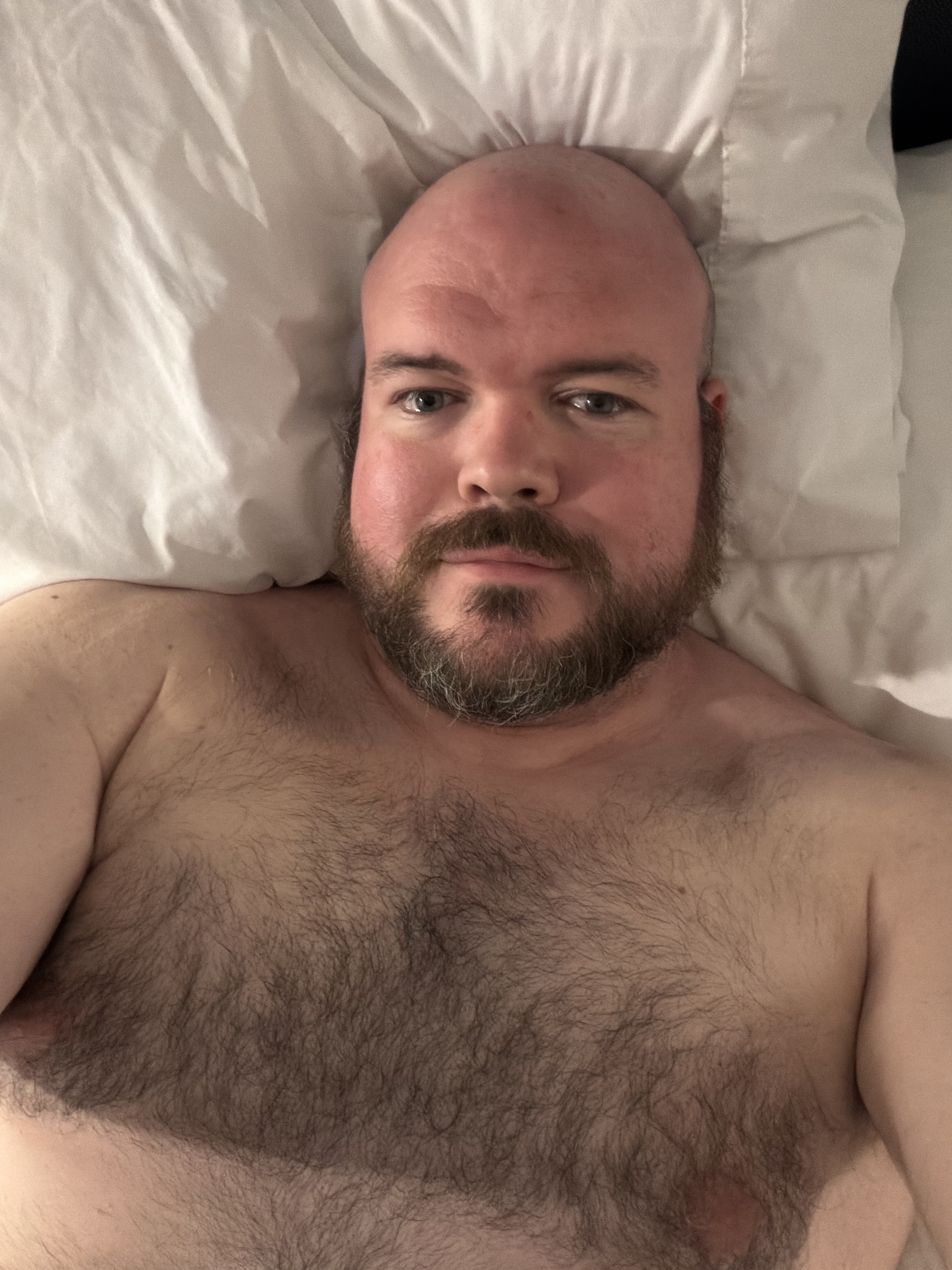
People have a picture in their head of what a shoot day looks like, and it's basically the scene with a camera visible in the corner.
It isn't that. The scene is the last thing that happens and it's a small fraction of the day. So here's a real one, end to end — the hotwife scene with Nova Sparx, shot with Nova and her husband J the Maker, who are a married couple, who shoot together, and who let me be the third.
There's a behind-the-scenes cut of this one too, which is the closest thing to a receipt for what follows.
Weeks before: the part nobody films
The scene existed as paperwork long before it existed as footage.
Agreement signed. Testing squared on the protocol I use, all three of us, dated and current. The 2257 records sorted, IDs photographed, everything in the folder before anybody books a flight.
And the conversation. This is the one that matters most in a hotwife scene and it's the one that a lot of people skip, or do badly, or do in a group chat at midnight two days out.
Hotwife scenes only work when everyone in the room is actually on the same page — the wife, the husband, the third. Not "said yes." On the same page. There's an enormous difference between a husband who's enthusiastic and a husband who's agreed, and the camera finds that difference every single time. It's the whole reason I take this conversation slowly and out loud rather than assuming the couple has had it privately.
With Nova and J that conversation is easy, because they'd had it long before I turned up. That's why they're the cleanest set I work.
The morning: logistics, not eroticism
Load-in. Gear, lights, a room that had to be chosen for what's in the frame and what's outside the frame — I've written about not doxxing yourself with a location and every one of those checks happens on the morning, not in the edit.
Then the least sexy hour of any shoot: talking about what we're actually doing. Not choreography — I don't script beats, because scripted beats look like scripted beats. But the shape. What's in, what's out, who's leading, what the ending looks like roughly, and the fact that any of us can stop at any point for any reason and it costs nothing. I mean that literally: I've written about tapping out mid-scene and the whole point is that the exit has to be free or it isn't an exit.
Somewhere in here, food. Sounds trivial. It isn't — a shoot is physical work and people who haven't eaten get short with each other around hour five.
The shoot: hours, not minutes
We shot for a long stretch. The scene you eventually watch is a fraction of what the camera recorded, and here's what filled the rest of it:
Resets. A light that drifted. A sound outside. An angle that looked right in my head and wasn't. Somebody's phone, which should have been off and wasn't.
Re-approaches. Not because something went wrong — because something went well and I want it from the other side too. The same moment covered twice is how you get an edit that has options.
Actual breaks. Water, air, a laugh, a re-check. The idea that you shoot a twenty-minute scene in twenty minutes is the single most persistent misunderstanding about this job.
The stuff that made the scene. And here's the thing — the parts that ended up carrying the finished piece were mostly not the parts I planned. J and I trading rhythm while Nova stayed the focal point, the pacing letting itself breathe before it pushed — that emerged. You can build the conditions for it. You cannot schedule it.
The edit: what I take out
This is where the "is it real" argument actually lives, so let me be precise.
The edit removes the resets, the repeats, the water breaks, the laughing, the moment somebody needed a minute. It shapes tempo. It picks between two coverages of the same beat.
What it does not do is manufacture something that didn't happen. There's no way to edit chemistry into a scene where there wasn't any, which is why the vetting and the conversation weeks earlier matter more than anything I do with the camera. If the trust isn't there on the day, no edit saves it. If it is, the edit's job is mostly to get out of the way.
I take out the boring parts. I don't put in the good ones. Those have to have actually happened.
Why the BTS cut exists
We released a behind-the-scenes piece alongside the scene, and the reason is basically this post.
The BTS is the honest artifact. It's the three of us being people in a room — checking in, resetting, laughing at something — which is both more revealing than the scene in some ways and completely unsurprising to anyone who's actually done this work. The people who watch the BTS come back to the scene differently, and they subscribe differently, because they know what they're looking at.
A full day for about twenty minutes of finished scene. Weeks of paperwork and one long conversation for the day.
That's the job. The scene is the part you see, and it's the last thing that happens, and it only works because of everything that came before it that nobody films.
Both cuts are on my paid platforms, and Nova and J's catalogues are on their pages.
— Sly