What 'amateur' and 'pro-am' actually mean in adult content
Amateur doesn't mean low-quality — it means real. What the word actually signals, why authenticity became the thing people pay for, how pro-am differs, and the two very different scenes that same label gets used for.
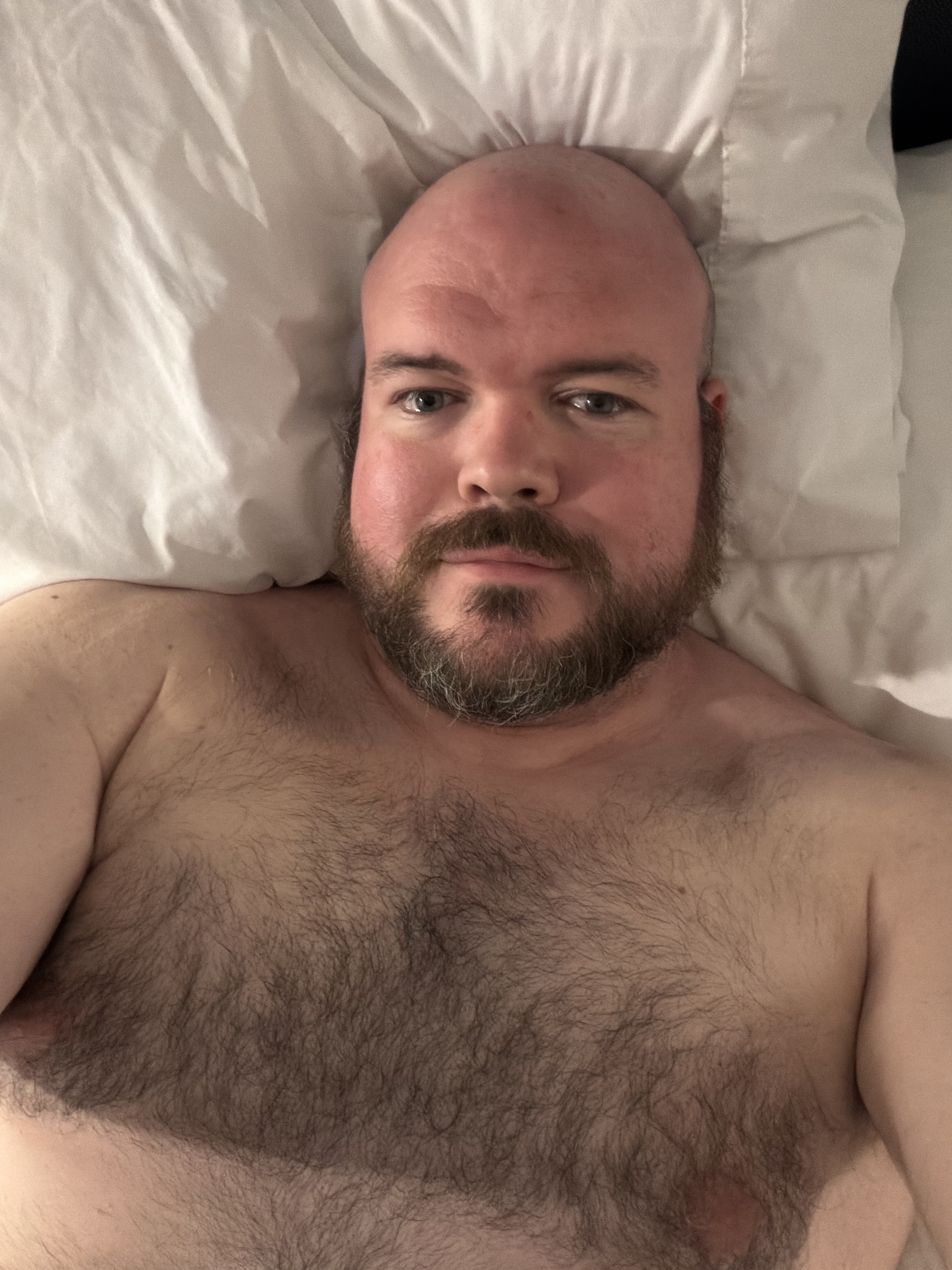
In adult content, "amateur" signals authenticity rather than low quality. It points at real people, real reactions, and content the performers themselves control, as opposed to the polished studio look. The trade is a little less gloss for a lot more believability, and for a large share of the audience that trade is the entire reason they're there rather than a downgrade.
"Amateur" is a word that sounds like an insult and isn't one. In most of life, calling something amateur means it's not very good — the amateur photographer, the amateur job. In adult content the word flips completely, and a lot of people never get the memo. They see "amateur" and read "low budget," when the people searching for it are after the exact opposite of a compromise.
This is a short, plain-spoken explainer of what the word signals, why "real" turned into the thing people will pay for, and why the whole category happens to describe what I do by default — not because I'm cutting corners, but because being independent is the point.
What does "amateur" mean?
The word isn't a knock on the production. It's a promise about how real the thing feels.
That's the reframe people miss. Amateur isn't the budget tier below professional. It's a different value entirely: the trade is a little less gloss for a lot more believability. For a huge share of the audience, that trade isn't a downgrade — it's the entire reason they're there.
Why did "real" become the premium in amateur porn?
The interesting part: authenticity is now the thing audiences want most — to the point that studios spend real money trying to fake the amateur look to compete with independent creators. You can see it in how the big-production side markets itself now, leaning hard on "real" and "genuine" framing that used to be amateur's whole territory. The appeal of amateur is the realness, and the polished side has noticed it's losing on exactly that axis.
Think about what that means. The professionals are imitating the amateurs. The expensive operations are hiring people to make their content look more like it was shot in a normal bedroom by people who wanted to be there. When the polished side is paying to look unpolished, "amateur" has stopped meaning "worse" and started meaning "the real version of the thing everyone else is imitating."
Why I don't have to fake it
This is where it gets practical for me. The amateur feel that studios are reverse-engineering is just what comes out when an independent creator shoots their own work with people they chose. Real chemistry, real bodies, no script forcing a moment that isn't happening — I get that for free, because I'm not producing a polished imitation of authenticity. I'm just being authentic and pointing a good camera at it.
That's the whole argument I make for running my own site and self-producing instead of shooting studio work: the independence isn't a limitation I'm apologizing for, it's the feature. "Amateur" as a tag and "self-produced" as a business model are describing the same thing from two directions.
And what does "pro-am" mean?
If "amateur" promises real, pro-am — short for professional-amateur — promises real plus competent. At its core it describes a professional working with a non-professional. One person in the scene does this for a living and knows the craft, the angles, how to hold a position so the camera sees it. The other doesn't: a first-timer, a fan, somebody's partner, a hobbyist who's never been on a set.
That's the clean meaning and the one I'd defend. The "pro" half is why it looks like content and not a shaky phone clip; the "am" half is why it feels real.
The trouble is the label does two jobs at once and nobody tells you which one it's doing on any given scene.
The first-timer version
The version I respect is the literal one: an experienced creator brings in someone new and the whole scene is built around that. The pro carries the technical load — where the light is, what reads on camera, when to slow down — so the newcomer can be present instead of performing.
When someone's new, the producing job changes shape. You spend more time before the camera's on than after. You over-explain the stop word, you walk through what the day looks like, you make sure the nerves in the room are excitement and not pressure. The nerves are real and they don't disappear because someone across the room is experienced. What the pro does is give those nerves a job: this is what we're doing, this is what we're not, here's how you stop the whole thing with one word and nobody will so much as blink.
My read is that this is where pro-am is won or lost, and it has almost nothing to do with how the footage looks. Someone who knows they hold the brakes can relax; someone who feels they have to perform their way through it can't. There's a quality to a genuine first time that you cannot fake and cannot re-shoot, and the pro's job is to capture it without crushing it — which is most of what goes into a scene when one person is brand new and the other isn't.
The marketing version (the slippery one)
Here's where it gets muddy. The second thing pro-am gets used for is a polished, experienced self-producer marketed as "amateur." No first-timer in the room at all — just working creators who know exactly what they're doing, shooting deliberately casual, then tagging it pro-am because the look says homemade even though the people are seasoned.
That's not lying, exactly. It's positioning. Pro-grade execution, amateur-grade aesthetic — "professional-amateur" technically describes it. The label is honest about the surface and quiet about the fact that nobody involved is new. Tags are how people find work, and pro-am sits in a sweet spot: more trustworthy-sounding than raw amateur, more grounded than glossy studio output. It just leaves out the one detail a viewer might care about — whether anyone in the scene was experiencing this for the first time.
Sorting the three of them out
- Amateur — no professionals. Real all the way down. The realness comes from there being no professional at all: nobody managing the moment, nobody carrying technical load. What you lose in polish you gain in there being nothing between you and the thing happening.
- Pro-am (honest) — a pro and a genuine non-pro in the same scene. You keep the believability of a real first-timer and add a steady hand who makes the scene watchable and the day safe.
- Pro-am (marketed) — experienced creators shooting an amateur look, no actual newcomer involved. Can be great content; it's just a different product than the label implies.
None is automatically better. The only real failure is the label promising one and delivering another — and now you can tell which is which.
Most of what I shoot isn't pro-am in the strict first-timer sense, because most of my catalogue is collaborations between creators who chose each other and know what they're doing. When I do bring someone newer into the room, the pro-am part isn't a marketing angle — it's a responsibility.
How it reads when I shoot it
Most of my catalogue is amateur by this definition — collaborative scenes with co-creators like Sexy Lexy Morgan, Hazel Baesil, Sahara Dee, and Serenity Willow, shot for the chemistry rather than the choreography. It overlaps with everything else I do, because the BBW, MILF, and POV work is all amateur in the sense that matters: it's real people who wanted to be in the room.
If you came to sort the word out: amateur means real, not cheap — and "real" is exactly what the expensive side is now trying to fake. The full-length scenes live on my fan platforms; the site here stays SFW.
The rest of the terms, each in a line or two, are in the glossary.
— Sly