How to become a male performer in the adult industry
Becoming a male performer in adult is mostly business: marketing, paperwork, professional conduct. The on-camera sex is the smallest part of the job.
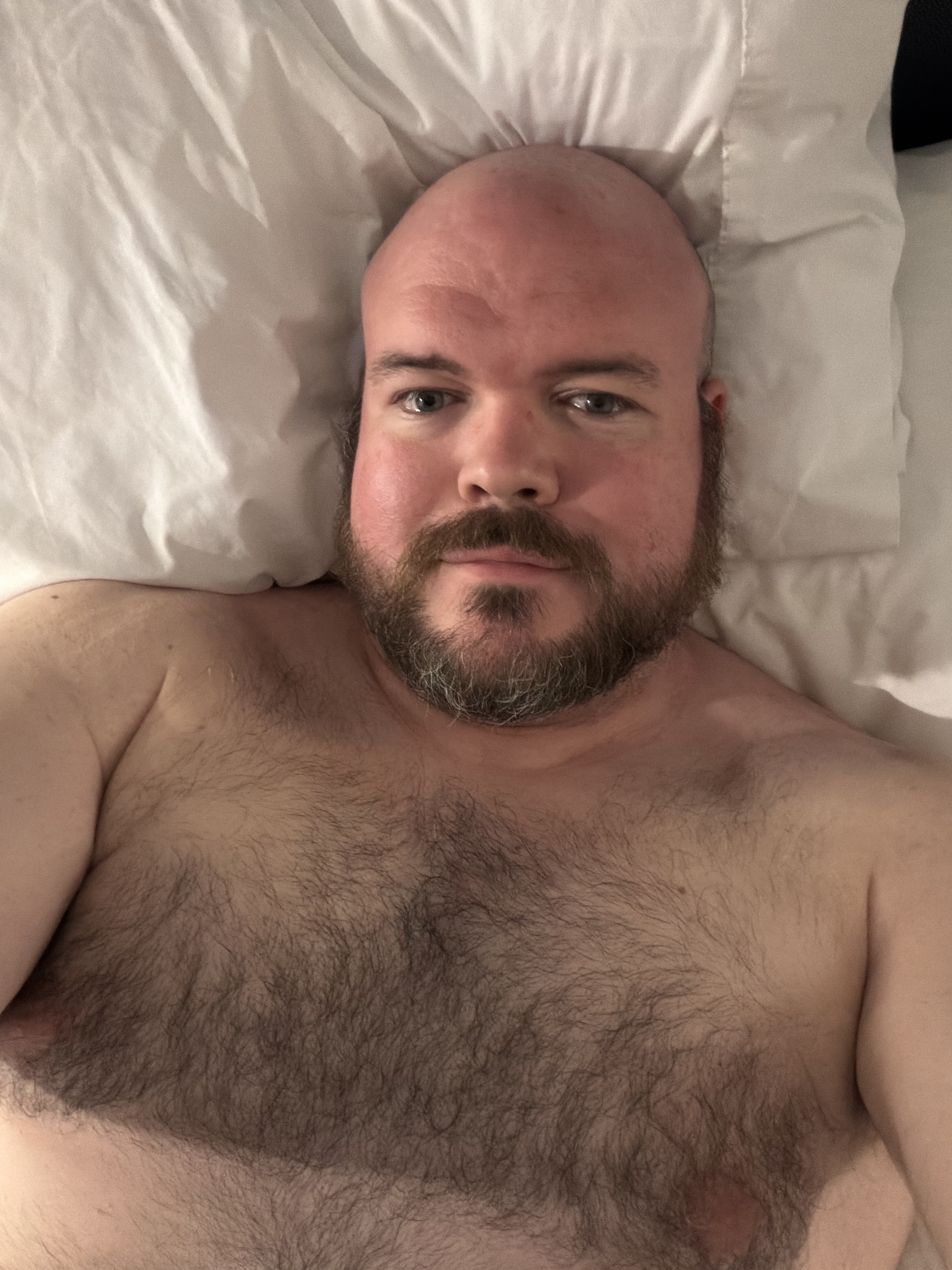
Most of what gets written about becoming a male performer in adult is either gatekeeping or hype. The gatekeeping says you can't. The hype says it's easy. Both are wrong, and both miss the same point: the part of this job that happens on camera is the smallest part of the job.
If you're thinking about getting in — or you're three months in and wondering why nothing's clicking — I wrote the playbook I wish I'd had handed to me. Direct, unglamorous, and built around the parts of the work nobody Instagrams.
What does a male performer in the adult industry do all day?
Most of the day-to-day is business. Sex on camera is the deliverable. Everything else around it is the operation that makes the deliverable possible — and the operation is what separates working performers from guys who shoot one scene and disappear.
A rough breakdown of where the hours go in a normal week:
| Activity | Approx. share of week |
|---|---|
| Marketing, posting, replying to fans | 35% |
| Solo content (shoot, edit, upload, caption) | 25% |
| Admin, paperwork, accounting, scheduling | 15% |
| Training, recovery, prep | 10% |
| Vetting, negotiating, planning collabs | 8% |
| Shooting collab scenes | 5% |
| Travel between any of the above | 2% |
The row that gives the game away is "Shooting collab scenes." Five percent. If you're getting into this because you think it's a sex job, you're going to be disappointed inside a month. The actual job is running a small media business where one of the SKUs happens to be sex on camera. The rest is marketing, paperwork, and customer service.
If that math sounds like a turn-off, that's useful information. If it sounds like a job you'd be good at, keep reading.
The mindset: this is a business, not a hookup ground
The single most common reason new male performers crash out is they walk in treating the industry like a free-content dating app. They send "hey beautiful" DMs to performers they've never met. They confuse a collab request with a hookup pitch. They assume that because everyone's naked at work, the workplace runs on the same rules as everywhere else they've been naked.
It does not. Adult is a workplace. Treat it like one.
The performers who last in this industry are the ones who run it like a business from day one. The ones who treat it like an extended hookup are the ones you never hear from again after their second cycle of test results.
If you can't say "this is a business" out loud and mean it, the rest of this post won't help you. If you can — keep going. Most of what follows is the operating manual.
Respect comes first. Hear "no" the first time.
The most important rule in this industry is also the simplest: when someone says no, the answer is no.
Not "no, but if I rephrase it." Not "no, but maybe later." Not "no, but let me explain why my version is different." No is a complete sentence, and the second you treat it as the opening of a negotiation, you've told every working performer in your network exactly who you are.
This applies in every direction:
- A potential co-star says no to a collab — the conversation is over. Send a polite "appreciate you taking the time" and move on.
- A co-star says no to a specific act on set — that act is off the shotlist for the rest of the day. No "well let's try one take and see." No.
- A fellow performer says no to a friendship hang, a photo, a dinner — same rule. Their no is final.
- A platform, agent, or business contact says no — same rule.
The reason this matters isn't just ethics, although the ethics matter. It's that this industry talks. Every co-star you work with knows ten others. Every "no" you don't take well becomes a story. The story travels. By the time you've burned three nos, you have a reputation, and the people who would have been your most valuable collaborators have quietly stopped replying.
Take the no. Stay polite. Move on. That alone puts you ahead of about half the men who try this.
Treat male and female talent with the same kindness and respect
A weirdly common pattern in new male performers: they're warm, generous, and respectful with women they want to shoot with — and dismissive, competitive, or invisible to other men in the same room.
That's a tell, and everyone reads it.
The way you treat the other guy on a three-way set is the way the producer, the director, the editor, and the female co-stars will assume you treat people when there's nothing in it for you. If you're only nice to potential scene partners, you're not nice. You're transactional, and people clock that fast.
The actual standard:
- Greet everyone on set the same way. Crew, co-stars, producers, the second guy.
- Hype the other male performer's work in your captions and shoutouts. His success is not a threat to yours.
- Comment on his stuff. Repost his stuff. Send him work when you can't take it.
- When a female co-star is choosing between you and another guy for a scene, root for the better fit, not just for yourself.
Male solidarity in this industry is rare and valuable. Be the one who shows up for the other guys. The female performers notice that more than anything else you'll do.
What does professional conduct look like for a male adult performer?
Professional on this set looks the same as professional on any set. Translate it from corporate to here:
- On time means ten minutes early, with your test results, your ID, and a rough idea of what you and your co-star agreed to shoot.
- Boundaries get said out loud, before camera rolls, where everyone can hear them. "I'm not doing X today" is not a mood; it's the deal.
- You ask before you touch. Even on set. Even mid-scene if the plan changes. The shotlist is the shotlist.
- You don't drink on set. You don't show up high. The day after the shoot is fine; the shoot is not.
- You finish the work and leave. No lingering. No "let's hang out after." If a real friendship comes out of a collab, it builds slowly off-set, like every other friendship.
- You send your edits, B-roll, or BTS within the agreed window, not three weeks later when your co-star is asking around if you ghosted.
There's a more detailed breakdown of the on-set side in this post, and a whole post on what actually goes into producing a scene if you want the production view.
Treat it like a real business — marketing, paperwork, bottom line
This is the part most new male performers ignore until it costs them six figures. The performers I respect run the back office like a small business owner, because that's exactly what they are.
What records and infrastructure does a male performer need?
The minimum infrastructure before your first paid scene:
- Separate business email and phone number for everything performer-side
- LLC or appropriate business entity in your jurisdiction
- Adult-friendly bank account and payment processor
- Bookkeeping system you update weekly (a spreadsheet is fine for year one)
- Tax setup with an accountant who has worked with creators before
- 2257-compliant records folder per jurisdiction (your platforms host the explicit content, but you keep your own records too)
- Standard collab agreement template ready to go before anyone asks (the free §2257, model release, and model agreement generators I built are the baseline I use, and anything you sign that has an AI clause in it needs a second read before it goes into the folder)
- Password manager, hardware 2FA, and a clean separation between personal and performer accounts
Here is the part I had to learn the hard way: every dollar that comes in needs a category, and every category needs a number you watch. Most performers I know who failed didn't fail because the work dried up. They failed because they couldn't tell which platform, which content type, or which collab partner was paying the bills — so they doubled down on the wrong thing and ran out of runway.
A minimum viable monthly review:
| Metric | Why it matters |
|---|---|
| Gross revenue by platform | Tells you which paid home is carrying the brand |
| Net revenue by platform (after fees, refunds, chargebacks) | The number you keep |
| New subscribers / returning subscribers | Are you growing or churning |
| Cost per new subscriber by channel | Which marketing pays back |
| Time spent per platform | Are your hours and your dollars in the same place |
| Outstanding invoices, releases, paperwork | Future-you's lawsuit risk |
If those six numbers aren't sitting in a spreadsheet you look at every month, you don't have a business. You have a hobby that occasionally deposits money.
There's a longer breakdown of the funnel side here and a why-your-own-site piece here if this is the part of the work that interests you.
Build relationships. Don't just slide in for a collab.
The number of cold DMs working performers get every week is wild. The number of cold DMs that turn into actual collabs is close to zero. The math is brutal, and most new male performers misread why.
The reason cold "wanna collab?" pitches don't work is not that the person doesn't like collabs. It's that they get fifty of them a week, and yours is indistinguishable from any other guy's. There's no signal. You're a stranger asking for a workday and a piece of their brand.
What works instead: build the relationship in public, over months, before you ever ask for anything:
- Comment on their work, like an actual person, not a sales bot. Real comments. Specific to the post.
- Repost their drops with a real take, not a generic shoutout.
- DM about their work, not yours. "That edit was wild, who did your color?" travels much further than "let's link up."
- If you cross paths at industry events, be present without pitching. You're not networking; you're in the same room.
- If you can refer them work — a fan in their city, a producer looking for someone in their lane — refer them with no expectation of reciprocation.
- After three to six months of doing all of the above with no ask attached, the collab conversation can come up naturally. Often, they'll bring it up first.
The collabs that happen come from relationships that already exist. The collabs that don't happen come from cold DMs to people who don't know you. The pattern holds far more often than not. Plan accordingly.
If you want a specific filter for who's worth investing months of relationship-building in, start with the green-flag / red-flag list I use when I'm vetting.
Some flirting is fine. Thirst is not.
Adult is not a sterile industry. People are charming with each other. Flirting happens, often goodnaturedly, often as part of the working chemistry. There's a register where it's clearly part of the professional vocabulary, and that register is fine.
Where it goes wrong is when the flirting is the point instead of a side effect. The signs you've crossed the line:
- You're sliding into DMs you wouldn't slide into if she had a husband in the doorway.
- Every comment you leave reads like a hookup attempt.
- You're noticeably warmer with the women whose looks match your personal type, and noticeably cooler with everyone else.
- You're asking for selfies, photos, or "favors" outside the professional context.
- You're following up on a "no" with a softer version of the same ask.
- People in the industry who once replied to your DMs have quietly stopped.
The internal test is simple: if the person on the receiving end of your flirty message screenshotted it to a group chat of working performers, would the consensus be "lol, classic him" or "yeah, I'm not working with him"? If you don't know the answer, that's the answer.
The other test: would you say it the same way if the cameras and the context weren't there? Adult performers are not less of a human for working in adult. The respect bar is the same as anywhere else; the medium is just different.
Collaborate with yourself first — solo content is the foundation
This is the section I want every new male performer to read twice.
Almost every guy who messages me about getting in starts with collabs. "Who can you introduce me to? Who would shoot with me? How do I get on [platform]?" The answer they don't want to hear is: you have no business asking for collabs until you've proven you can ship solo content reliably for at least six months.
The reason is straightforward. A collab is a co-creator giving you their time, their reputation, and a slice of their audience. Before they do that, they need evidence that you'll:
- Show up
- Finish the edit
- Hit the post date
- Market the result so it does numbers
The only proof of any of that is a body of solo work. Not a vibe. Not a moodboard. A track record of shipped solo content across multiple platforms, with views, engagement, and consistency.
Treat your solo era like a job. Pick a publishing cadence and hold it. Distribute everywhere your audience could plausibly find you. Build a small portfolio that does the talking for you when collab conversations finally start.
A reasonable minimum solo distribution stack for a new male performer:
| Surface | Role |
|---|---|
| OnlyFans / Fansly (or one paid tier) | Where the money is |
| Pornhub / xHamster / RedGIFs free clips | Discovery + SEO |
| TikTok + Instagram Reels (SFW, brand-side) | Top of funnel |
| Twitter / X (NSFW allowed) | Industry presence + drops |
| Reddit (in-niche, in-rule subs) | Targeted discovery |
| Your own SFW site | The home base nobody can deplatform |
| A weekly or bi-weekly newsletter | The list nobody can take from you |
Six months of consistent shipping across that stack, and the collab conversation changes completely. You're no longer a guy asking for a favor. You're a guy whose numbers and pipeline make a collab obviously mutually beneficial.
There's a longer post on why every adult creator needs their own site and a start-from-zero OnlyFans guide if you want the operational version of the above.
What does success look like in the first year as a male performer?
If you're doing the work above, the first-year scoreboard isn't fame. It isn't viral. It's:
- Six months of consistent solo content, on the same publishing cadence you committed to
- A real, measurable subscriber base on at least one paid platform
- Three to five working relationships with other performers — not collabs yet, just real relationships
- Clean paperwork, clean records, current test results, current ID, current 2257 compliance
- A monthly P&L spreadsheet you look at
- A reputation among the people you've crossed paths with as easy to work with, on time, and respectful
Notice what's not on that list: viral video, big collab, fame. Those might come; they might not. The list above is the foundation that lets the bigger swings pay off when they show up.
The bottom line
If I had to compress all of the above into one sentence: be the kind of professional you'd want to work with, in an industry that mostly isn't.
Hear no the first time. Be kind to everyone, not just the women you want to shoot with. Treat the back office like a real business. Build relationships before you ask for collabs. Keep the flirting on the right side of the line. Ship solo content for six months before expecting anyone to bet their reputation on you.
Do those six things, and inside a year you'll be one of the easier people to recommend in this industry. The work gets easier from there because the work has finally started.
If you're already doing this work and want to see how I think about collaborator vetting from the other side of the table, the pick-a- collaborator post is the companion to this one. And if you want a sense of who I've worked with, the collaborator roster is here.
— Sly